Dog Separation Anxiety Training in Rhode Island
Our dog separation anxiety training in Rhode Island teaches your dog to relax alone.
- No more howling when you leave
- No chewed doors or ruined crates
- Relaxed in the crate or home alone
- Work and dinners out without worry
Click the button below and fill out a quick form to get started with a free consultation.
Check Out Our Reviews
Leave Home Without the Guilt
A quiet house while you’re out
No howling as the door closes, and no more notes from the neighbors about barking all afternoon.
Nothing chewed, nothing clawed
Door frames, blinds and couch cushions stay in one piece, and you stop bracing yourself as you turn the key.
A clean floor when you get back
A house-trained dog stays house-trained, even after you’ve been gone for a full workday.
A crate your dog walks into
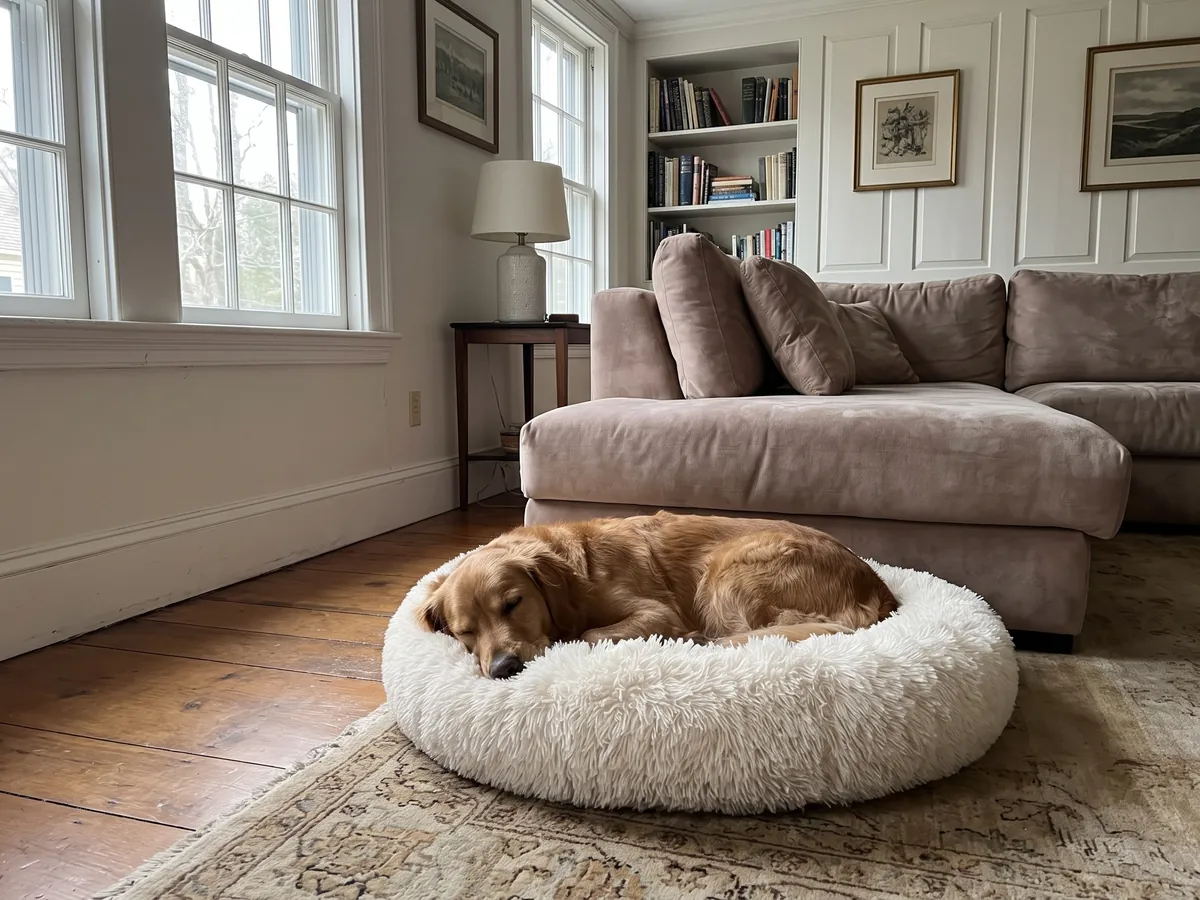
The crate turns into the place your dog naps, not something to escape from, set up in the right spot in your home.
A dog happy in another room
Your dog lies down while you cook, work or shower, instead of shadowing your every step.
Your plans back
Whether it’s office days, dinner with friends or a weekend in Newport, you plan around your life again, not around your dog’s panic.
Your Goodbyes Today vs. After Training
Every anxious dog is different. This is what families in Warwick, Cranston, Bristol and across Rhode Island usually describe, and what they ask for.
Leaving home now
- Tiptoeing out so your dog won’t notice
- Howling before you even reach the car
- Chewed door frames and torn blinds
- A crate your dog tries to break out of
- Accidents only when you’re out
- A shadow following you room to room
- Saying no to plans because of the dog
After separation anxiety training
- Walking out calmly, no sneaking needed
- A quiet driveway and a quiet house
- Every door frame still in one piece
- A crate your dog naps in
- A clean floor when you come home
- A dog resting in the next room
- Saying yes to dinner, work and weekends
How Separation Anxiety Training Works
Free Consultation
Bobby meets you and your dog, shares a few training tips you can use right away and designs a custom training plan built around your dog and your goals.
A routine your dog can count on
Bobby picks your dog up and gives it the same calm rhythm every day of activity, meals, rest and a settle routine, including real comfort in a crate.
Confidence on its own
Time alone stops being an emergency. Your dog learns to rest with Bobby out of sight, first briefly and then for longer stretches, until being alone is simply part of the day.
Goodbyes coached at home, then lifetime support
Bobby brings your dog home and coaches how your family leaves and comes back. After that, you have support and guidance from Bobby for the life of your dog.
Programs for Anxious Dogs
At your free consultation, Bobby builds your custom plan around the option that fits, based on how intense the anxiety is, your schedule and how involved you want to be.
Two-Week Board and Train
Two weeks of round-the-clock calm routine with Bobby, practicing exactly what your dog struggles with, such as settling, resting in a crate and handling time alone. The most complete reset, with the least work for you.
One-Week Board and Train + in-home lessons
A week with Bobby builds the routine, then in-home lessons teach you to run it yourself. Right for owners who want a bigger hand in their dog’s progress.
In-home lessons near East Greenwich
If you live close to our East Greenwich base, say in Warwick, Cranston or North Kingstown, Bobby can train with you in your own home, around your real schedule and your real front door. Bobby will confirm on the call whether your town is close enough.
Puppy Foundations
For a young puppy who cries when left, early house rules and routines make alone time and crate time feel normal before panic ever takes hold.
Why Routine Settles an Anxious Dog
Anxious dogs feel safest when life makes sense. When every day looks different and nobody is calmly in charge, a sensitive dog fills the gap with worry. A predictable rhythm of activity, meals, rest and quiet time gives that dog something solid to lean on.
Anxiety is one of Bobby’s specialties, and he begins with observation rather than a script, so the pace fits your dog. Basic obedience plays a supporting role, because a reliable place or down gives your dog a clear job and a way to switch off. The real goal is a dog that knows how to settle, whether you’re in the next room or across town.
- The same calm rhythm, every single day
- A settle routine your dog understands
- A crate that means rest, never punishment
- Independence built a little at a time
- Confidence from calm outings in busy places
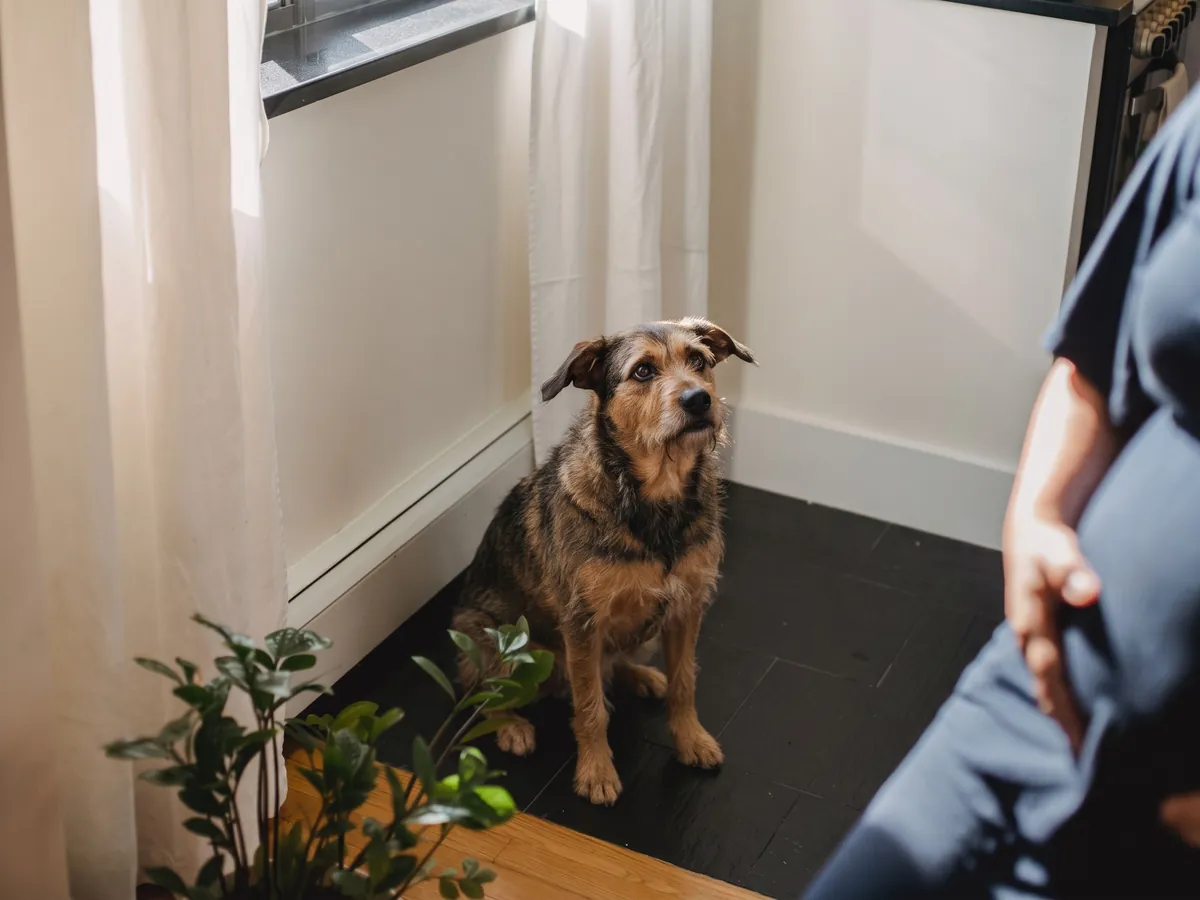
Separation Anxiety Training That Ends at Home
Separation anxiety lives in your house. It’s tied to your front door, your morning routine and the sound of your car keys. That’s why every program finishes there. Bobby drives your dog back to your home, whether you live in East Greenwich, Warwick or Barrington, and works with your family in the place the panic started.
Together you decide where the crate or settle spot belongs, set up a tie-back if it’s useful, and practice the minutes before you leave and the moment you come back. Dogs mirror their homes, and Bobby pairs dog training with a good dose of psychology, so he coaches the people as well. Nobody is blaming you. Small changes in how the family comes and goes often make a big difference.
When everyone in the house follows the same calm goodbye, your dog stops reading every departure as a crisis. If an old habit flares up during the session, Bobby deals with it right there and shows you how.
Want calmer goodbyes? Press the button below and tell us a little about your dog to book your free consultation. Bobby will learn how your dog copes alone, share a few tips you can use tonight and build a realistic plan.
You Didn’t Cause This by Loving Your Dog
You know the sound. The whining starts before you reach the car, and by the time you pull out of the driveway it’s a full howl. You sit through your workday picturing the scratched door and the puddle by the crate, and you rush home at lunch just in case.
Little by little, separation anxiety shrinks your life. You turn down invitations, skip trips and plan every errand around how long your dog can cope. Maybe a neighbor or a landlord has already said something about the barking.
Please know that your dog isn’t being spiteful, and loving your dog didn’t break it. Separation anxiety is common, it has real causes, and it’s workable. The goal isn’t a dog who loves you less. It’s a dog who trusts that you’ll come back, so it can nap on the couch while you’re gone and greet you calmly when you walk in.

Separation Anxiety or Something Else?
True separation anxiety is panic about being left alone, or about being apart from one particular person. The signs usually start within minutes of you leaving, or even while you get ready, and include pacing, panting, drooling, whining, howling, accidents in a house-trained dog, damage near doors and windows and attempts to escape.
Boredom looks different. A bored dog chews because chewing is fun, at any time of day, and is usually fine once it has been exercised. An anxious dog chews and claws because it’s desperate to get out or get to you. Other look-alikes include crate panic, noise fears and hyper-attachment, where a dog shadows one person everywhere and can’t rest unless they’re close.
Life changes are a common trigger, such as a move, a new baby, a return to the office after months of working from home, or a rescue dog with an unsettled past. Knowing what set things off tells Bobby where to start.
Separation anxiety is a behavior problem, not a personality flaw, and it often sits next to other behavioral issues such as reactivity on walks, nervous barking or, in a few dogs, guarding and aggression. A trainer who looks at the whole dog fixes more than the goodbye, because the same calm structure that settles your dog at the door tends to settle the rest of its day too.
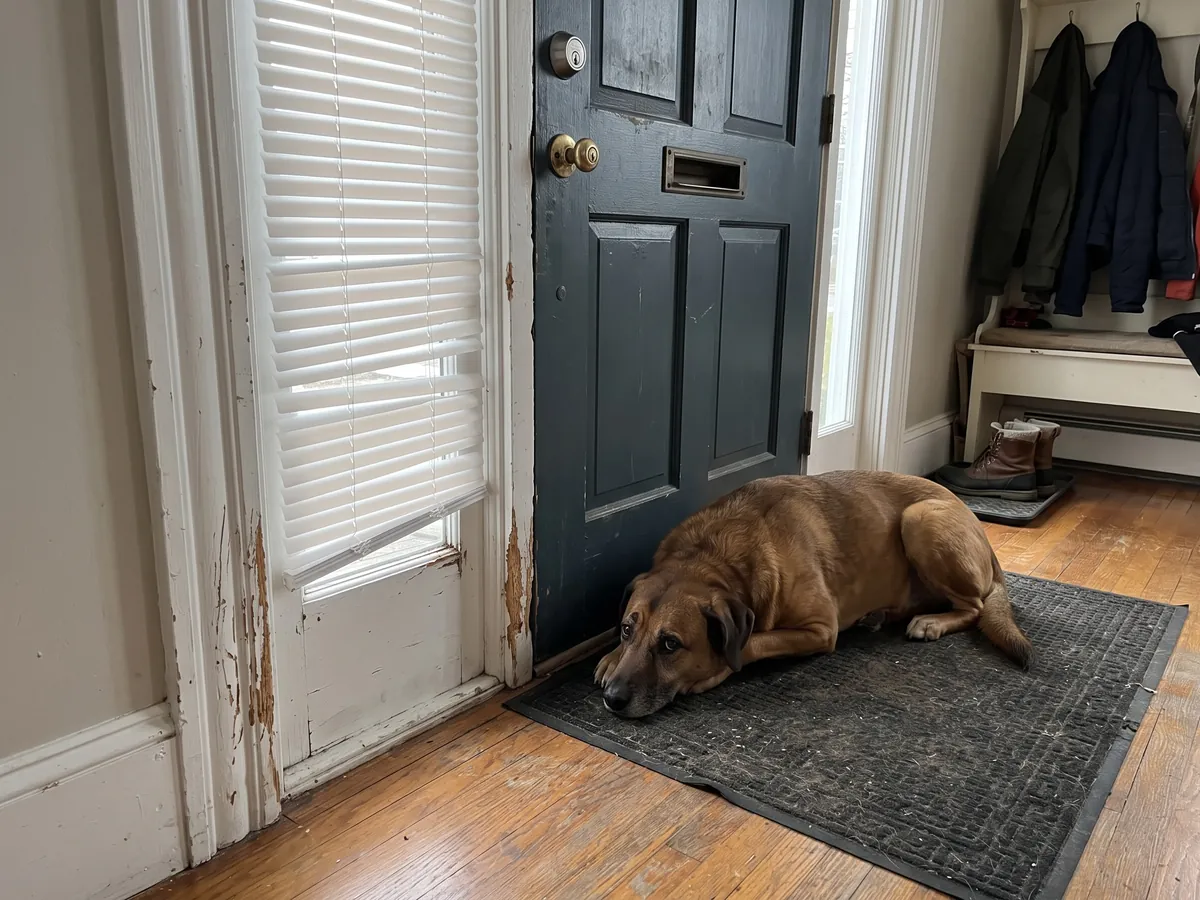
Signs Your Dog Can’t Cope Alone
Separation anxiety ranges from mild whining to dogs who hurt themselves getting out. If several of these are familiar, your dog is struggling while you’re gone.
If this sounds like your dog, you’re in the right place. Bobby has helped hundreds of dogs with problems just like these. Click the button below and fill out a quick form to get started with a free consultation.
Dog Separation Anxiety Training Questions
Can you fix my dog’s separation anxiety?
Many dogs improve a great deal with calm structure, a reliable settle routine and owners who know how to handle departures. How far your dog comes depends on how long the panic has been building, how intense it is and how faithfully the routine continues at home. Nobody can honestly promise a cure, but Bobby will give you a realistic picture at your free consultation.
How long does separation anxiety training take with you?
That depends on your dog and how severe the anxiety is. With a structured plan, many dogs show clear progress within weeks, while long-standing or severe cases take longer and need steady follow-through at home. Left alone, separation anxiety rarely fades by itself, and Bobby’s support doesn’t stop when the program does, so you’re never left to figure out a setback alone.
Will staying with you make my anxious dog worse?
It’s a fair worry, and owners ask it often. In Bobby’s experience, anxious dogs thrive on the round-the-clock consistency of board and train, with no rushed mornings and no mixed signals. He builds the settle routine properly, then hands it over to you at home.
Do you crate train dogs with separation anxiety?
For many dogs, yes, once the crate means calm. Bobby gets dogs comfortable in a crate quickly, including dogs whose owners were sure they’d never accept one, and shows you at the home session where it belongs. If your dog is hurting itself trying to escape a crate right now, stop leaving it crated alone and mention it on your call.
Do you work with puppies who cry when left alone?
Yes. Puppies often cry when they’re first left alone, and that alone isn’t separation anxiety. Puppyhood is the easiest time to make alone time and crate time feel normal, and Puppy Foundations sets up those routines early. If your puppy’s distress is intense or getting worse, start early.
Do you work alongside my vet?
Yes. Whether medication makes sense is your vet’s call, and when your vet is involved, Bobby works alongside their advice.
How much do you charge for separation anxiety training?
That depends on your dog, how severe the panic is and what you want daily life to look like. Each plan is built for the individual dog, so a puppy who whines in the crate and a dog who claws through doors are never charged one flat rate. The free consultation is the place to start. Bobby gets the full picture of your dog, builds a custom training plan around your goals and names an exact amount, with zero pressure to sign up.
Do you work with anxious dogs in Warwick, Cranston and Bristol, RI?
Yes. Bobby collects your dog from your front door and brings it home again at the end, and that home visit is where your goodbyes get coached. Pickup and drop-off is included for board and train families throughout Rhode Island and southern Massachusetts, from Warwick, Cranston and Bristol to Providence and South Kingstown.
Explore Other Programs
Crate Training
Quiet nights and a dog who walks into the crate on their own, whether you have a puppy, an adult dog or a rescue.
Board & Train
Your dog lives and trains with Bobby and comes home obedient, reliable and calm, with pickup and a final session at your house.
Puppy Training
House rules, routines and real-world manners from the first weeks, for a well-mannered puppy who listens and is easy to live with.
Get Started Today
Book your free consultation for separation anxiety training anywhere in Rhode Island. Bobby will learn how your dog handles time alone, share a few ideas and build a calm, realistic plan.