Reactive Dog Training in Rhode Island
Our reactive dog training in Rhode Island turns walks back into the easy part of your day.
- Walks past dogs without lunging
- Focused on you, not the trigger
- Calm around people, bikes and cars
- Loose-leash walks on your own street
Click the button below and fill out a quick form to get started with a free consultation.
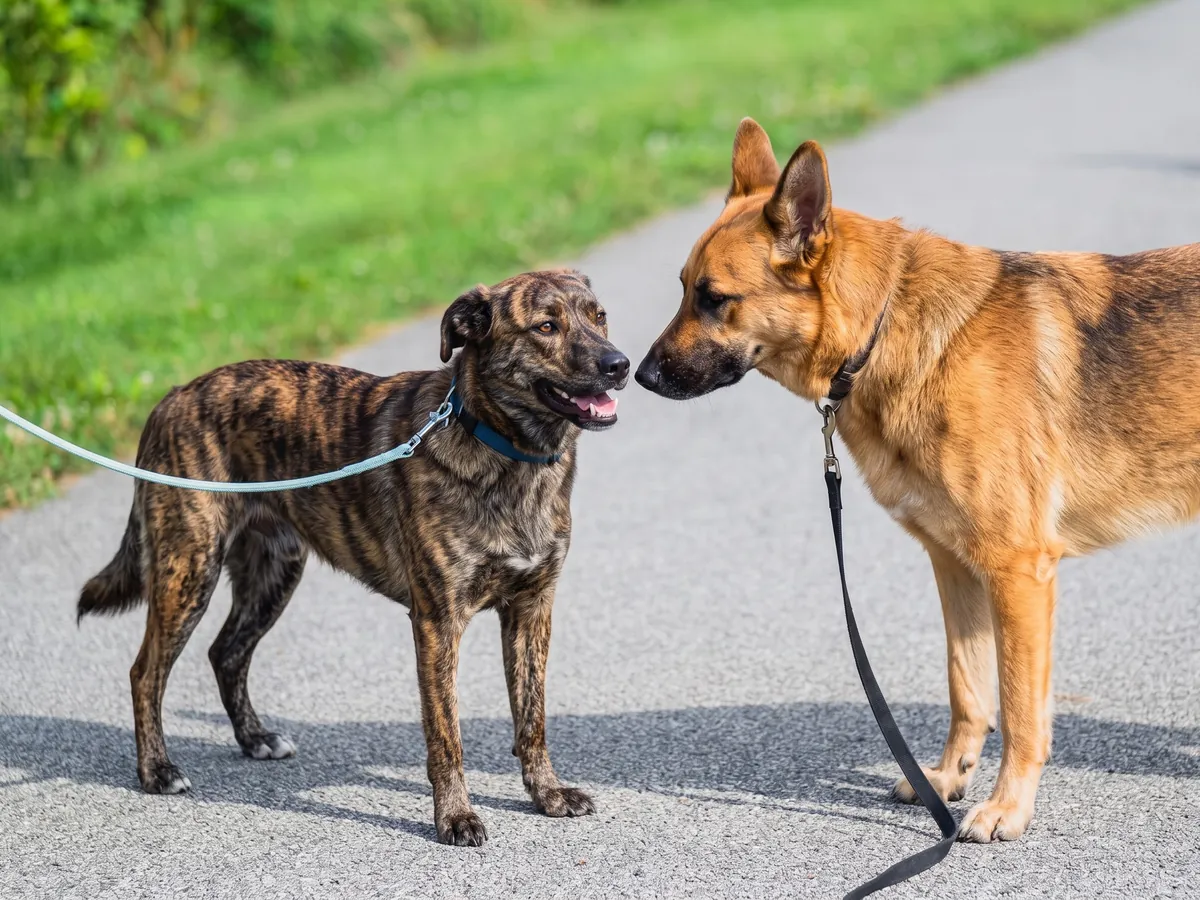
Check Out Our Reviews
Walks You’ll Look Forward To
Calm passes on the sidewalk
Another dog appears down the block and your dog keeps walking beside you. No crossing the street, no ducking behind parked cars.
A slack leash in your hand
No more bracing your arm for the next lunge. The leash stays loose and the walk feels easy for both of you.
Walks at any hour
Stop sneaking out at dawn to dodge the neighbors. Walk at lunchtime, after work or on a busy Saturday morning.
Cars, bikes and joggers in the background
Traffic and runners go by and your dog stays with you, instead of spinning, barking or trying to give chase.
A quieter window and yard
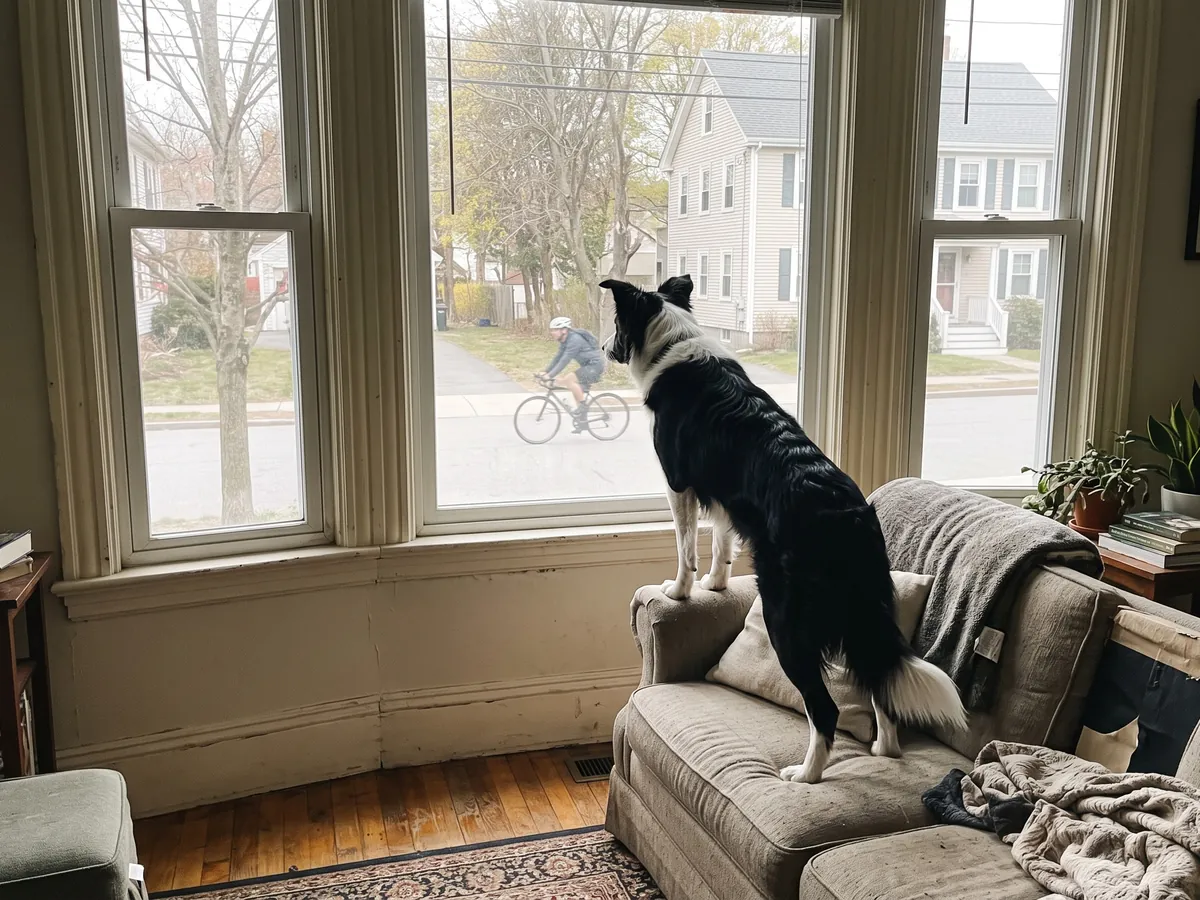
Your dog can watch the world from the window or the yard without a barking fit at every person who walks past.
Places you can take your dog
Whether it’s patios, trailheads, a stroll along the water in Narragansett or a friend’s backyard, your dog comes along and stays composed.
Every Walk Now vs. Every Walk After
Reactivity looks different in every dog. These are the changes owners in Warwick, Providence and the rest of Rhode Island ask for most.
Walks right now
- Lunging and barking at every dog you see
- Crossing the street every few minutes
- Chasing cars, bikes and joggers
- Barking at strangers who say hello
- Walking at dawn to avoid the neighbors
- Losing it at the window or the fence
- Your shoulder sore from the pulling
After reactive dog training
- Your dog stays with you as dogs pass
- Staying on your side of the street
- Traffic passes and your dog keeps walking
- Quiet, polite moments with people
- Walks at whatever time suits you
- A glance outside, then back to resting
- A loose leash and a relaxed arm
Reactive Dog Training, Start to Finish
Free Consultation
Bobby meets you and your dog, shares a few training tips you can use right away and designs a custom training plan built around your dog and your goals.
A dog that can switch off
From the day Bobby picks your dog up, the work starts with calm. A settled dog learns fast, and simple obedience becomes the way the two of you talk to each other on the leash.
Past dogs, people and traffic
Bobby takes that calm out into daily life, from sidewalks and parking lots to busy shops, other dogs and passing cars, a little closer each day while your dog keeps getting it right.
Your street, then lifetime support
The program ends on your own block, where Bobby hands you the leash. After that, you have support and guidance from Bobby for the life of your dog.
Ways to Train Your Reactive Dog
Reactive dogs always train one-on-one here. Which route suits yours depends on how big the reactions are, your week and how much leash time you want, and Bobby builds your custom plan around all three at your free consultation.
Two-Week Board and Train
For two weeks your dog lives with Bobby and practices around real triggers every single day. You get the most polished result for the least work, which is why it’s his sweet spot for reactive dogs.
One-Week Board and Train + in-home lessons
A week with Bobby, then in-home lessons where you learn to handle the same walks yourself. Ideal for owners who want the leash in their own hands early and will practice every day.
In-home lessons near East Greenwich
Bobby coaches you and your dog on the very streets you walk, for households close to our East Greenwich base in places like Warwick and Cranston. Not sure you’re close enough? Bobby will tell you on the call.
Day training near East Greenwich
Bobby picks your dog up in the morning, trains out in the real world all day and brings your dog home every night, then shows you what was worked on.
Reactive Dog Training Out in the World
A reactive dog that stays quiet in a living room has proved very little. The barking happens on sidewalks, in parking lots and outside the coffee shop, so that’s where your dog trains, out in daily life with Bobby, around real people, real dogs and real traffic.
It starts at a distance where your dog can still think. Bobby rewards the calm choices, gives your dog a clear job (walk beside me, look at me, leave it) and makes sure lunging and pulling stop paying off. Then he closes the distance bit by bit, at the pace your dog sets, never by throwing a dog in the deep end.
Structure is applied with care, not force. Bobby matches the equipment to your dog, which might mean a slip lead, a long line or a prong collar, and shows you how to handle it so the leash feels clear to your dog instead of confusing.
- Loose-leash walking, so pulling doesn’t start the spiral
- Focus on you when a trigger appears
- A reliable come when called
- Calm passes with dogs, people, bikes and cars
- A simple plan to stop the reactions getting worse in the meantime
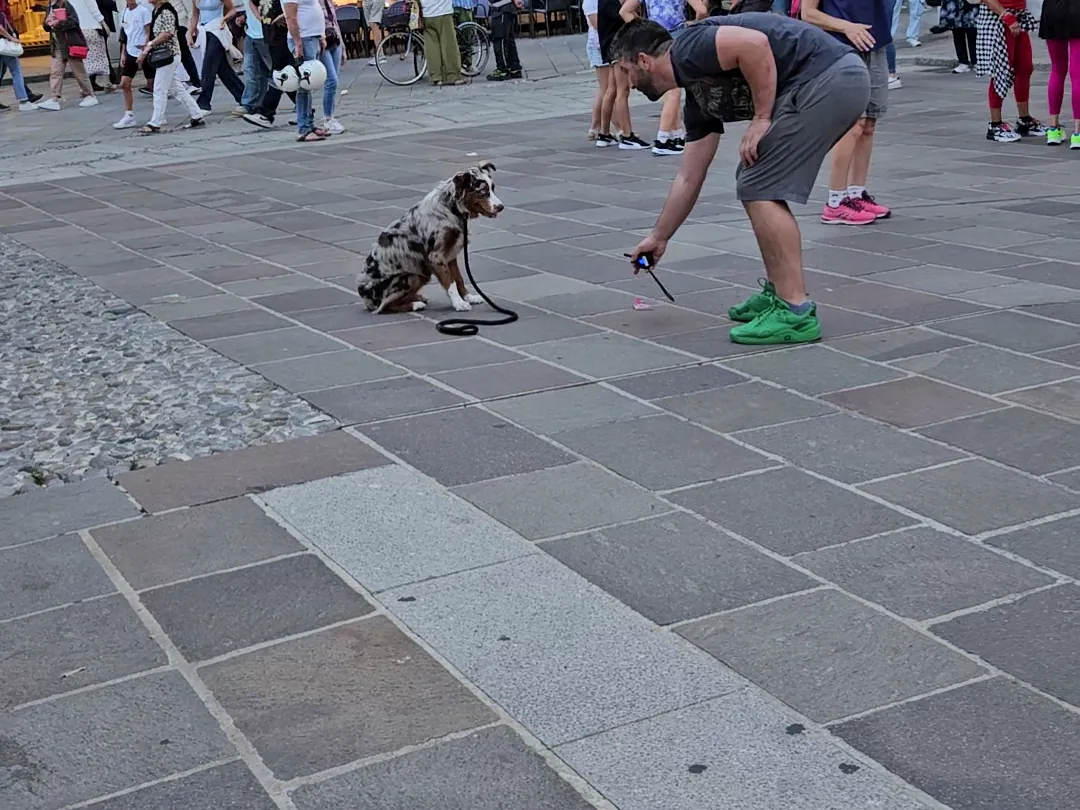
Your Block Is the Final Test
Every neighborhood has its own triggers, like the dog behind the fence on the corner, the cyclist who flies past every evening or the delivery truck that always parks outside. Your dog needs to stay calm there, not just in Bobby’s training spots.
So the program finishes at your house. Bobby brings your dog home, shows you everything it has learned and then walks your own route with you, whether that’s a quiet road in North Kingstown, a busy sidewalk in Providence or a cul-de-sac in East Greenwich. When the old reaction shows up, he handles it on the spot and coaches you through the same moment until it feels natural.
You leave knowing how to hold the leash, where to stand, when to move on and how to keep your own breathing steady, because tension travels straight down the leash.
Ready to enjoy your walks again? Hit the button below, answer a few questions about your dog and claim your free consultation. Bobby will hear about your walks, give you a few ideas to try straight away and build a custom training plan around your dog and your goals.
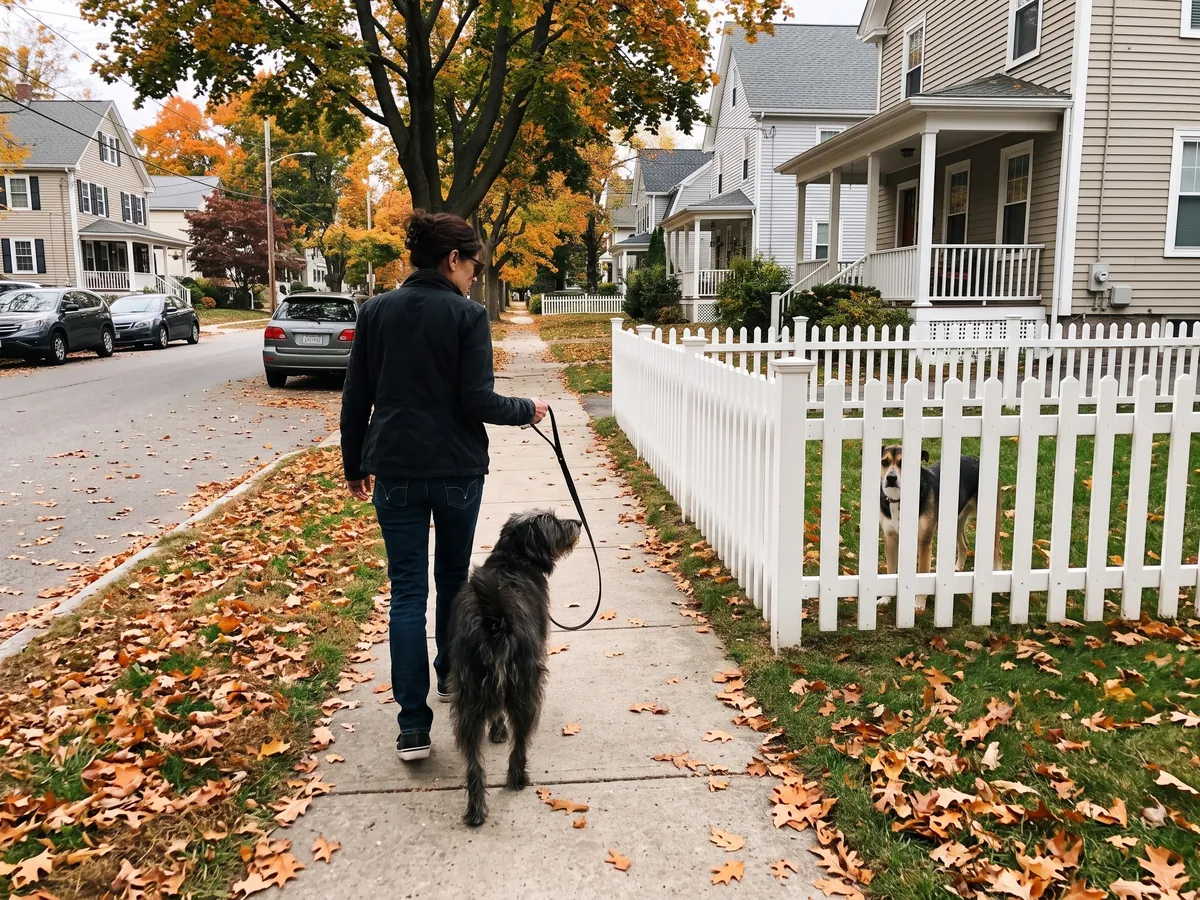
A Reactive Dog Isn’t Your Fault
You know the stares. Your dog explodes at the end of the leash, a stranger shakes their head, and you wish the sidewalk would swallow you up. You’ve tried treats, a new harness, a different route. You walk at odd hours and still spend the whole time scanning for the next dog.
Reactivity is one of the most common problems dog owners face, and it says nothing about how much you love your dog or how hard you’ve tried. Plenty of reactive dogs are sweet, gentle companions at home. They simply never learned how to stay composed when the world gets close.
It is fixable. Reactivity is one of Bobby’s specialties, and he regularly works with dogs other trainers gave up on. Most owners tell him they don’t need a perfect heel, they just want a calm dog they can walk anywhere. That’s the goal he trains for.
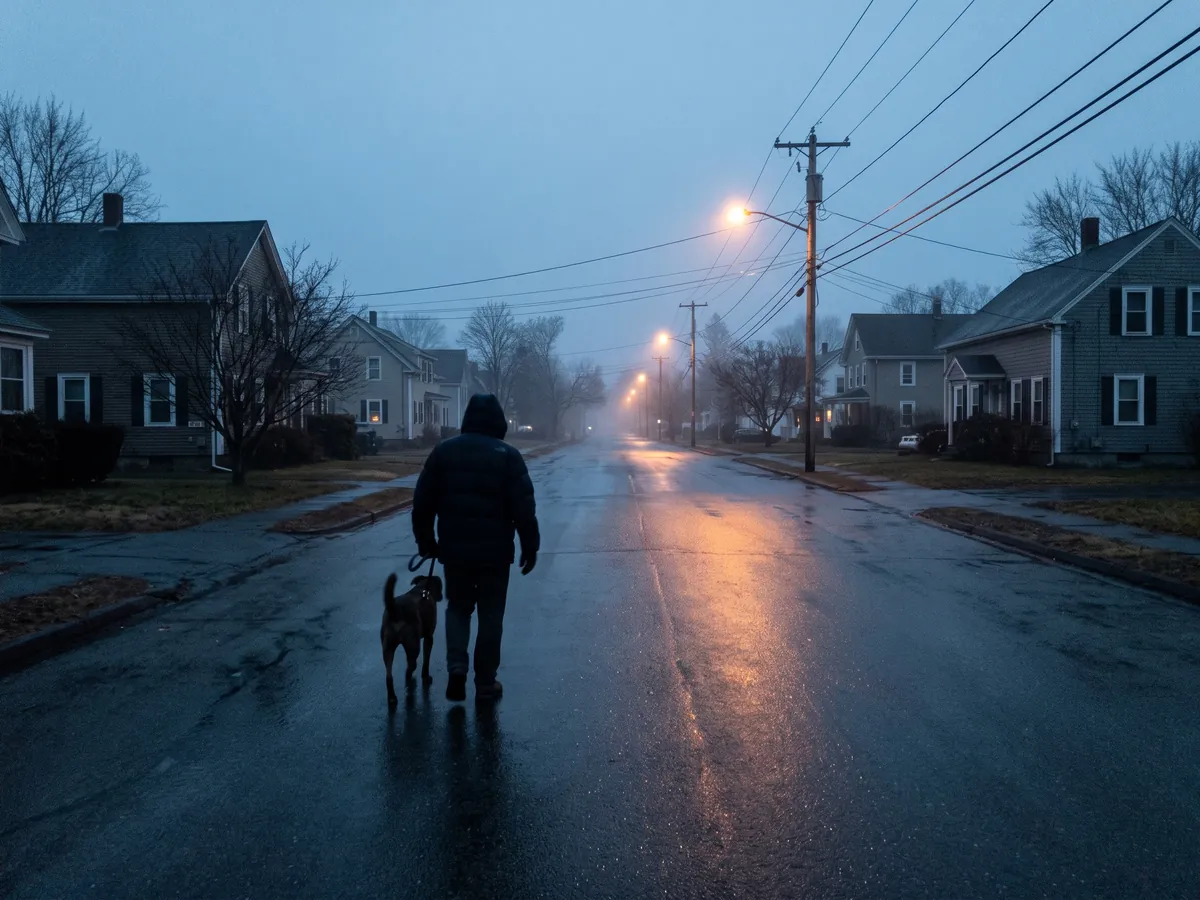
What’s Behind the Barking and Lunging
Reactivity is an over-the-top response to something your dog sees, hears or smells, such as barking, lunging, spinning, whining or hackles up at the end of the leash. The same lunge can come from very different places. Some dogs are frustrated greeters, desperate to reach the other dog. Some are fearful and bark to make the scary thing go away. Herding and working breeds often fixate on anything that moves fast, like cars, bikes and joggers.
The leash makes it worse. It takes away a dog’s normal options of moving away or approaching slowly in a curve, so the dog feels stuck. Add a tight leash and a nervous handler, and the pressure builds fast. Every outburst is also practice, which is why reactivity tends to grow if nothing changes.
Reactive isn’t the same as aggressive. Many reactive dogs have never bitten anyone, while an aggressive dog is willing to snap or bite to make something stop. If you’re not sure which describes your dog, tell Bobby what you see on your call. Both are specialties here.
Reactivity is learned behavior, which is good news, because what was learned can be changed. Bobby teaches your dog new skills for the moments that used to set it off, and uses calm, positive structure and methods matched to your dog, so the new habits replace the old ones for good.
Time to Call About Reactivity?
If several of these sound like your daily walks, the habit is already set, and the sooner you start, the easier it is to change.
If this sounds like your dog, you’re in the right place. Bobby has helped hundreds of dogs with problems just like these. Click the button below and fill out a quick form to get started with a free consultation.
Reactive Dog Training Questions
Can you fix my dog’s reactivity?
Bobby can usually reduce reactivity a great deal, and many reactive dogs become calm, easy walkers. Whether every trace disappears depends on the dog, what’s driving the reactions, how long they’ve been going on and how consistently you keep the plan going afterward. Bobby won’t promise a cure, but he will give you his honest expectations for your dog.
Can you help if my dog is only reactive on the leash?
Yes, and it’s very common. On a leash, your dog can’t move away from what worries it or greet the way it wants to, so frustration or fear spills out as barking and lunging, and a tight leash adds even more pressure. That’s why so much of Bobby’s work is about calm, clear leash communication between you and your dog.
Do reactive dogs train in a group with you?
No. Reactive dogs always train one-on-one with Bobby, so every meeting with another dog is planned around yours.
What if my dog has been through training before and it didn’t stick?
You’re in good company. Many of the reactive dogs Bobby trains have already been through classes or another trainer. The difference is that his program ends on your own block, where he walks your route with you, and you have his support and guidance for the life of your dog.
How long does reactive dog training take with you?
It depends on how long the habit has been building and what’s behind it. For most reactive dogs the two-week board and train is Bobby’s sweet spot, because fourteen days of structure and street practice move things a long way, and some dogs need longer. After that, short, calm practice on your everyday walks keeps the progress going.
How much do you charge for reactive dog training?
The investment depends on your dog, how intense the reactions are and what you want your walks to look like. Each reactive dog gets a tailored program, so there isn’t one flat rate that covers every situation. At your free consultation, Bobby gets to know your dog, builds a custom training plan around your goals and quotes you an exact figure, and you’re under no pressure to book.
Will you pick up my reactive dog in Providence or Newport?
Yes. With board and train, Bobby comes to your door to collect your dog and brings it home at the end, so you don’t have to manage a reactive dog in the car. Pickup and drop-off covers all of Rhode Island and southern Massachusetts, including Providence, Newport, Barrington, Coventry and Wakefield.
Explore Other Programs
Aggressive Dog Training
Safety-first training for growling, guarding, dog fights or a bite history, so you get a calmer dog you can handle.
Board & Train
Your dog lives and trains with Bobby and comes home obedient, reliable and calm, with pickup and a final session at your house.
In-Home Dog Training
One-on-one in-home lessons for hands-on owners near our East Greenwich base, from Warwick to North Kingstown.
Get Started Today
Claim your free consultation for reactive dog training in Rhode Island. Tell Bobby what your walks are like now, pick up a few ideas to try tomorrow and get a program built around your dog.